
Last fall, a homeowner on the Balboa Peninsula noticed oil seeping up through their foundation. By late October, methane had been confirmed and seven surrounding homes were ordered evacuated. The culprit: a private oil well capped back in the 1920s, sitting roughly 800 feet below the house.
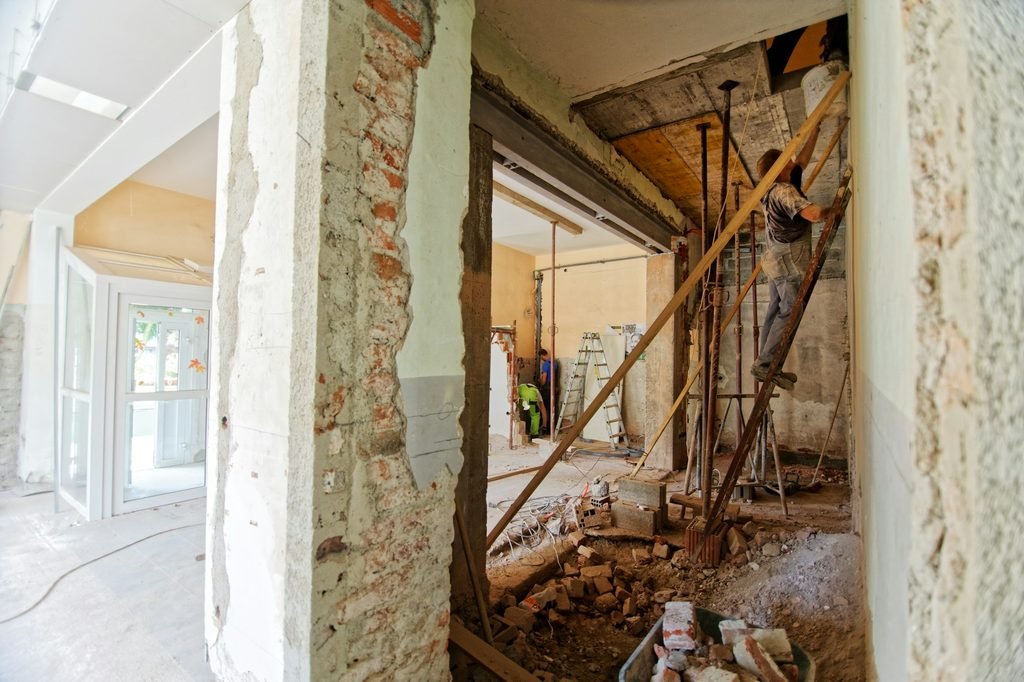
Here’s the thing. No home inspection was ever going to catch that. Inspectors don’t see 800 feet underground. They don’t see inside your walls, either.
That’s an extreme case. But the lesson applies to every home in Orange County, from a Huntington Beach tract house to a Newport condo: a clean inspection report is not the same as a clean house. Below is what inspectors commonly miss, why they miss it, and how to cover the gaps before your contingency window closes.
Why doesn’t a clean inspection report mean a clean house?
A standard home inspection is visual and non-invasive. The inspector walks the property, tests what can be tested, and reports what they can see. They don’t pull up flooring, cut into drywall, or walk a roof that isn’t safe to walk.
That limits access in some areas by default: an attic packed with storage boxes, a steep or fragile tile roof, the far corner of a crawlspace under a raised foundation. Other problems simply don’t show up without opening something up, like a slow leak that hasn’t stained anything yet or a crack hidden behind new drywall.
This isn’t a knock on inspectors. As one certified inspector told The Spruce, training and equipment make a big difference, but nobody can see through walls. The best inspectors know their real job is to spot warning signs and point you to the right specialist. So when your report says “recommend further evaluation by a licensed roofer, plumber, or structural engineer,” treat that line as a to-do, not a footnote.
What do home inspectors most commonly miss?
According to the inspection and real estate pros The Spruce interviewed, these five categories slip through most often:
- Hidden water damage and mold. If it’s under finished floors, inside walls, or behind cabinets with no surface signs, it may not get flagged. Clues include soft spots, musty odors, faint staining, and lifting flooring.
- Intermittent plumbing leaks. Some leaks only show up after a fixture runs for a while. If nothing is dripping during a three-hour inspection, it may not make the report.
- Roof leaks that aren’t active. This one matters a lot in Orange County. If you’re inspecting in September, it may not have rained in months. Old stains can also be painted over.
- Foundation movement hidden by cosmetic work. Fresh paint, patched drywall, and new flooring can cover cracks or signs of past movement. Give recently flipped homes extra scrutiny.
- Sewer line problems. A standard inspection usually doesn’t include a sewer scope, so cracked, root-infiltrated, or deteriorated lines can go undetected unless you order one.
Of those five, the sewer line is the easiest to deal with. A sewer scope is a separate camera inspection of the pipe running from the house to the street. In neighborhoods with older pipes and mature trees, it’s one of the best-value add-ons you can order.
What’s different about inspecting a home in Orange County?
National inspection checklists are built around basements, frost lines, and snow loads. OC has its own list. Here’s what we pay attention to locally.
The ground under the house. Huntington Beach pumped oil for about a century, and the city maintains a methane overlay district. If you’re planning a remodel or addition, projects within 300 feet of a known oil well have to comply with the fire department’s methane specification before building or grading permits get approved. Ask whether the parcel is in the district, whether the home has mitigation, and what a future addition would require.
Liquefaction zones. Parts of coastal OC sit on saturated soils, and a parcel inside a state-mapped liquefaction zone carries a disclosure obligation. That shows up on your Natural Hazard Disclosure, not your inspection report. Read the disclosure closely. If the home sits in a mapped zone, a geotechnical engineer is the right person for site-specific questions.
Termites and dry rot get their own report. In California, wood-destroying pests are covered by a separate licensed pest inspection. Section 1 lists active infestations or infections, and Section 2 lists conditions that could lead to one later. Your general inspector may mention termites in passing, but the pest report is the one that drives repairs and negotiation.
Older plumbing and electrical. If you’re looking at a ’60s or ’70s tract home (and in Huntington Beach, Fountain Valley, and Westminster, plenty of buyers are), watch for galvanized supply pipes, polybutylene, aluminum branch wiring, and Federal Pacific panels. None of these is an automatic dealbreaker. Each one should trigger a specialist opinion and a conversation about cost.
Should you actually go to the inspection?
Yes. Clear your schedule.
The pros The Spruce interviewed agree: buyers who walk the property with the inspector get context that photos and a written report can’t deliver. You see the issue in person, you hear how concerned the inspector actually is, and you get to ask about things you noticed during showings.
Tell the inspector what’s on your mind before they start. Mention the water stain on the garage ceiling, the bedroom door that sticks, or the fact that the seller just repainted every room. Good inspectors will take a closer look when you point them somewhere specific.
What should you ask your inspector?
Bring a list. Here’s ours, built from the inspectors’ recommendations plus a few OC-specific additions:
- What are the major findings, and which ones need attention right away?
- Which items are routine maintenance, and which are real defects?
- Did you see evidence of water intrusion, past leaks, or concealed repairs?
- Any signs of structural movement, like sticking doors, uneven floors, or stucco cracks?
- Which areas couldn’t you fully access?
- Which findings should go to a specialist?
- Which systems are likely to need expensive repair or replacement in the next few years?
- Would you recommend a sewer scope, roof inspection, or mold evaluation for this property?
The first question matters most because not every item on a report carries the same weight. A report with 60 line items can feel alarming until you realize most of them are loose outlet covers and missing caulk. Your job is to find the handful that involve safety, water, structure, or major systems.
What red flags can you spot on your own?
Whether you’re walking a home before you write an offer or during your contingency period, these are worth noticing:
- Isolated fresh paint on one ceiling patch or one wall. Ask why.
- Musty smells, swollen baseboards, or warped cabinet bottoms under sinks.
- Brown rings or discoloration on ceilings, especially below bathrooms.
- Doors and windows that stick or won’t latch, which can point to framing shifts.
- Floors that slope, bounce, or feel soft, especially on raised foundations.
- Wide or diagonal cracks in the slab, the stucco, or near window and door corners.
- Soil that slopes toward the house instead of away from it.
- An HVAC system over 20 years old. That doesn’t make it defective, but you should budget for a replacement.
- Curling, cracked, or slipping roof material that suggests the roof is near the end of its life.
If you spot two or three of these together, especially around water, bring in a specialist.
How do you fit all of this into 17 days?
Here’s the deal: under the standard California purchase agreement, contingency removal is due 17 days after acceptance. That window has to cover your general inspection, the pest report, any specialists, and your review of seller disclosures. It goes fast.
A few moves that help:
- Book the general inspection in the first few days so there’s time for follow-ups.
- Order the sewer scope at the same time instead of waiting for a recommendation.
- Line up specialists as soon as the report flags them.
- Read the Transfer Disclosure Statement and Natural Hazard Disclosure alongside the inspection report, not after.
- Call your insurance agent before you remove contingencies. Roof age and property condition can affect what coverage costs.
Right now, that homework also pays off at the negotiating table. OC’s median single-family price was $1,475,000 in July, homes sold in a median of 26 days, and the county sat at 3.1 months of supply, which is balanced territory with a lean toward sellers. Inventory peaked near 5,200 listings in early August and has eased back since. In a market like this, a well-documented inspection finding gives you real negotiating material for a repair request or a credit.
The takeaway
A home inspection is essential. It’s also a starting point, not a guarantee. The inspector’s job is to see what’s visible and tell you where to look next. Your job is to show up, ask sharp questions, order the extra inspections that fit the property, and use your 17 days well.
That Balboa Peninsula well sat quietly for about a century. Most hidden problems are smaller and far more ordinary: a slow leak, a root-choked sewer line, a patch of fresh paint doing a lot of work. The buyers who catch them are the ones who know where to look.
Buying in Huntington Beach or anywhere in Orange County and want a second set of eyes on your inspection report? Reach out to the Sackin-Stone Team. And if you know someone about to open escrow, send this their way.